
Are you ready for a new set of wheels? Before you head to the dealership, take some time to review your finances and crunch the numbers. A little planning now can make the process much easier and less stressful.
1.Think about the big picture
Make sure you can cover everything that comes with owning a car, such as:
- Insurance
You’re legally required to have auto insurance, and premiums can vary widely by the car type, age, mileage, and your driving history. Firemen’s Federal Credit Union offers insurance services to help you find affordable coverage that fits your needs. - Registration and taxes
Don’t forget about other costs, like sales tax, registration and title fees. - Maintenance
Be sure to plan for regular car maintenance bills, including things like oil changes, tune-ups, brake pads and batteries. - Other costs
Prepare for miscellaneous expenses, including fuel, parking, tolls, car washes, and windshield washer fluid. It all adds up!
2. See how much you can afford
It’s easy to get caught up in the moment and buy more car than you can afford. To make sure you don’t get in over your head, aim to keep your total car payment (including additional costs like insurance and repairs) at or below 15% of your monthly take-home pay. So if you earn $3,000 a month, your total vehicle costs should be around $450 or less. If you want to be more conservative, keep costs under 10% of your take-home pay.
Once you have a number in mind, get pre-approved with us before you hit the dealership. Just apply for an auto loan online, call us at 800-647-1689, or stop by a branch. This will help you know exactly how much you could borrow and what your monthly car payment might be.
3. Save for a down payment
You don’t always need a down payment, but putting some money toward your car can be a good idea since it helps lower your monthly payment and reduces total interest charges. A good rule of thumb is to aim for a 20% down payment on a new car and 10% on a used car.
If you don’t have that much saved yet, that’s okay. Get started now by opening a savings account dedicated to your new car, and ask us about setting up automatic transfers on payday so you build savings without needing to think about it.
4. Plan for the unexpected
It’s important to build up a rainy day fund to help protect you from the unexpected. If you were ever faced with a tough situation such as a big medical bill or a job loss, having an emergency savings fund could help you stay afloat until you get back on your feet. You wouldn’t want to fall behind on your loan payments – that could hurt your credit score and put you at risk of losing your vehicle – and a rainy day fund can help protect you.
Even a few hundred dollars set aside can make a difference. Just like saving for a down payment, consider opening a dedicated savings account and setting up automatic transfers to build your emergency fund over time.
5. Already have a car loan? Consider refinancing
If you’re already making car payments and they’re higher than you want, why not consider auto refinancing. Refinancing is when you swap in your current auto loan for a new and different one. When you refinance your auto loan from another lender with Firemen’s Federal Credit Union, you could lower your rate by up to 2%, which could save you hundreds – even thousands – over the life of your loan.
6. Talk to us before you buy
We’re here to help! Contact us or visit your nearest branch, and talk to us about your goals. We’ll help you review your finances, set up your savings goals, and explore current auto loan rates to get you in the driver’s seat fast with a loan you can afford.
Want to learn more about Firemen's Federal?
Related Articles

How a Credit Card Balance Transfer Works
If you’re juggling credit card debt, especially if you have multiple card balances with high interest rates, you may want to consider a balance transfer. It can help you save on interest and simplify repayment – but it’s important to understand how balance transfers work before you decide whether it’s right for you. What to… Continue reading How a Credit Card Balance Transfer Works

Think You Need 20% Down to Buy a Home? Think Again
If you’re a first-time homebuyer, you’ve probably heard that you need to save up 20% for a down payment before you can even think about buying a house. It’s a common homebuying myth that slows many people down in their path to homeownership. The fact is that you rarely need a 20% down payment to… Continue reading Think You Need 20% Down to Buy a Home? Think Again
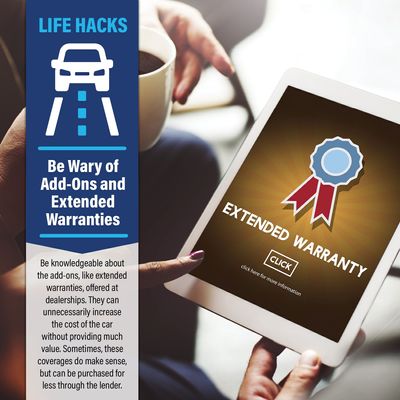
Be Wary of Add-Ons and Extended Warranties
Be knowledgeable about the add-ons, like extended warranties, offered at dealerships. They can unnecessarily increase the cost of the car without providing much value. Sometimes, these coverages do make sense, but can be purchased for less through the lender.